
Aztec Treasures and Aztec RTP Slot Games: Classic Aztec-Themed Slots Featuring Gold Rewards
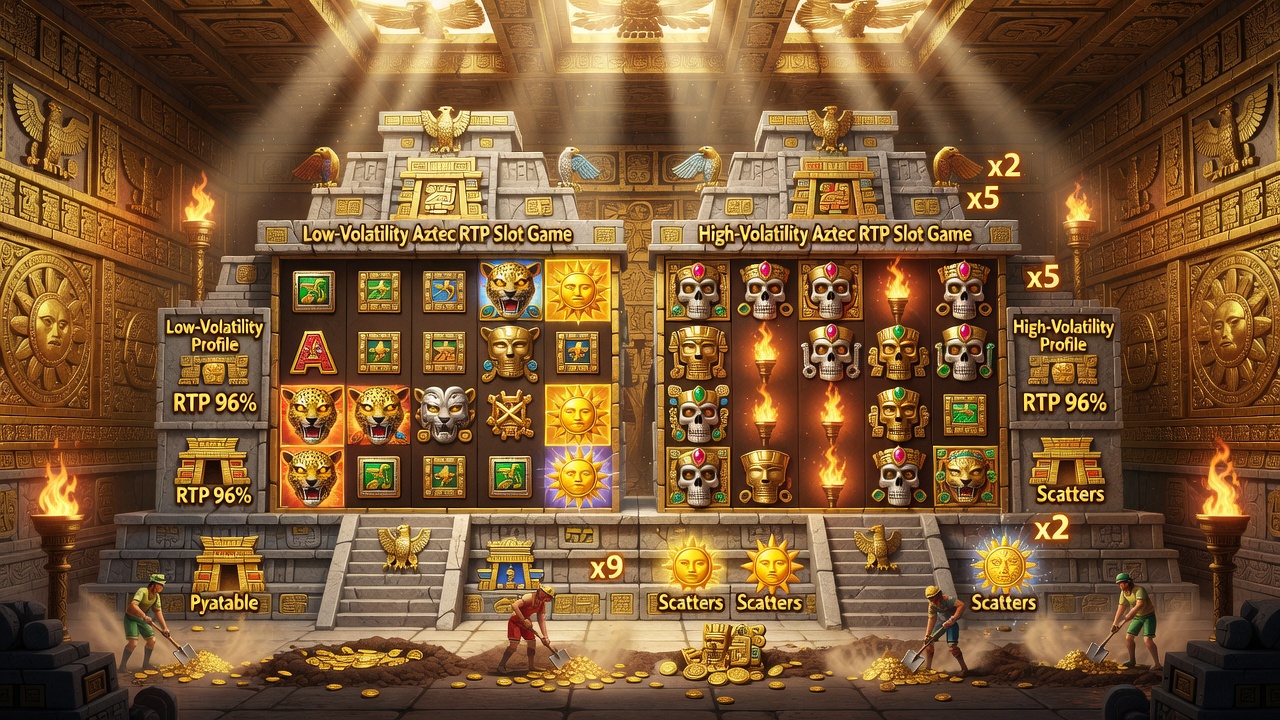
Gold plating on a temple wall does not corrode. Neither, it seems, does the appeal of Aztec iconography in slot design. More than a decade after the theme first flooded online casinos, jaguar totems, sun calendars, and pyramid reels still pull players in at a rate that mystifies developers working in newer, flashier genres. There is a reason for that staying power, and it has less to do with nostalgia than with mechanics.
Aztec treasures, as a slot category, occupy a strange middle ground between historical fantasy and mathematical precision. Behind every gold-coated symbol sits a return-to-player percentage, a volatility profile, and a payout structure that determines whether the game rewards patience or punishes it. Players searching for RTP slot treasures are not just chasing pretty graphics; they are hunting for titles where the math genuinely favors extended play. For readers who want a concrete example of how this theme translates into a real product, the treasures of aztec rtp title offers a useful reference point for how gold-rush aesthetics and payout engineering can coexist in one release.
This piece looks at why the Aztec theme endures, how RTP figures actually work within these games, and what separates a well-built title from a forgettable one.
The Enduring Appeal of Aztec-Themed Slots
Few historical civilizations offer as much visual and narrative material for slot design as the Aztecs. Gold, sacrifice, mystery, and collapse - the entire arc reads like a ready-made story engine, which is exactly why developers keep returning to it.
Why Ancient Civilizations Work as Slot Themes
Ancient cultures give designers a built-in symbol vocabulary: masks, temples, calendars, serpents. Players recognize these motifs instantly, even without knowing the historical details behind them. That familiarity lowers the learning curve for new players while still allowing enough visual complexity to keep long-term players engaged.
The Gold and Sacrifice Narrative in Game Design
Aztec treasures work narratively because gold in these games is never presented as simply decorative. It is framed as something guarded, earned, or extracted from a temple that does not give it up easily. This framing justifies bonus rounds structured around digging, unlocking, or surviving - mechanics that map naturally onto free spins and multiplier features.
Classic Aztec-Themed Slots That Shaped the Genre
Early entries in this category established the visual template still used today: stone-carved reels, torch-lit backgrounds, and a jaguar or eagle acting as the wild symbol. Later releases refined this template with cascading reels and expanding wilds, but the core imagery has barely changed, which says something about how well the original formula worked.
Understanding RTP in Aztec Slot Games
Return to player is the single most important number for anyone comparing slot titles, and Aztec-themed games are no exception to that rule.
What RTP Actually Measures
RTP represents the theoretical percentage of all wagered money a slot returns to players over a very large number of spins. A game listed at 96% will, over millions of rounds, pay back 96 cents of every dollar wagered on average. This figure says nothing about any single session - it is a long-run statistical average, not a promise.
How Aztec RTP Games Compare to Other Themes
Aztec RTP games tend to sit within the same general range as most mainstream video slots, typically between 94% and 97%. There is no inherent thematic reason for Aztec titles to pay better or worse than Egyptian, Norse, or fruit-machine themes - RTP is a design choice made independently of visual dressing.
Reading Paytables Before You Play
Every properly licensed slot publishes its RTP figure, usually inside the paytable or information screen. Players hunting for genuine RTP slot treasures should check this number before spinning a single reel, since two visually identical Aztec games can carry meaningfully different payback rates.
- Look for the RTP percentage in the game's info or help menu
- Compare volatility alongside RTP, not RTP alone
- Confirm the RTP applies to the real-money version, not a demo variant
Anatomy of a Classic Aztec-Themed Slot
Strip away the temple artwork and every Aztec slot is built from the same handful of mechanical components, arranged in different combinations.
Reel Layout and Symbol Design
Most classic Aztec-themed slots use a 5x3 or 5x4 grid, with high-value symbols represented by gold masks, idols, or jewel-encrusted skulls, and low-value symbols represented by simplified glyphs or playing-card icons recolored to fit the theme.
Wilds, Scatters, and Bonus Triggers
The jaguar, eagle, or Aztec ruler figure almost always serves as the wild symbol, substituting for other icons to complete winning lines. Scatters, frequently depicted as temple entrances or sun discs, typically trigger free spin rounds - the moment where most of a game's real payout potential is concentrated.
Free Spins and Multiplier Structures
Bonus rounds in this genre often stack multipliers as spins progress, simulating the idea of digging deeper into a temple and finding richer rewards the further you go. This structural choice ties gameplay mechanics directly back to the narrative of Aztec gold rewards buried beneath layers of stone.
How Volatility Shapes the Aztec Gold Rewards Experience
RTP tells you how much a game pays back over time; volatility tells you how that payback is distributed. The two figures work together, and ignoring either one gives an incomplete picture.
Low Volatility vs High Volatility Aztec Slots
Low-volatility Aztec titles pay smaller amounts more frequently, which suits players who want longer sessions on a fixed budget. High-volatility titles pay rarely but can produce large single-hit wins, often through free spin multipliers rather than base-game payouts.
Matching Volatility to Bankroll and Play Style
A player with a modest bankroll and no interest in large swings should favor lower-volatility Aztec RTP games. A player chasing a single large payout, and comfortable absorbing longer losing streaks, is better matched to high-volatility titles built around rare but substantial bonus triggers.
Why Aztec Gold Rewards Are Often Tied to Bonus Rounds
Base-game wins in this genre are usually modest by design. The heavier gold-rewards payouts are concentrated in free spin sequences with escalating multipliers, meaning the theme's biggest wins are structurally reserved for players who reach the bonus feature rather than those relying on base spins alone.
Choosing the Right Aztec RTP Slot for Your Goals
Not every Aztec-themed release serves the same purpose, and matching game choice to personal goals matters more than chasing the flashiest graphics.
Playing for Entertainment vs Playing for Payback
Players prioritizing entertainment value can reasonably choose a game based on art style and bonus round design. Players prioritizing payback should treat RTP and volatility as the primary filters and treat visual theme as a secondary consideration.
Session Length and Bankroll Management
Short sessions with strict stop-loss limits pair naturally with high-volatility Aztec titles, since a single feature trigger can define the entire session. Longer sessions benefit from lower-volatility games where the bankroll depletes more slowly and predictably.
Verifying Licensing and Fair Play Standards
Before trusting any published RTP figure, confirm the game is certified by a recognized testing authority and offered through a licensed platform. Unlicensed or unverified versions of Aztec-themed slots sometimes alter payout tables without disclosure, which defeats the entire purpose of checking RTP in the first place.
Frequently Asked Questions
Does a higher RTP guarantee more frequent wins?
No. RTP measures long-term payback across millions of spins, not the frequency of wins within a single session. A high-RTP game can still be high-volatility, meaning wins arrive rarely but pay more when they do.
Are classic Aztec-themed slots generally more volatile than newer releases?
Not inherently. Volatility depends on the specific paytable and bonus structure a developer builds, not on the age of the release. Some classic titles are quite low-volatility, while modern Aztec games can be built with extreme volatility for larger jackpot appeal.
Can I trust the RTP listed in a demo version of the game?
Demo versions typically run the same math model as the real-money game, but it is worth confirming this in the game's information screen. Some platforms adjust RTP slightly between demo and live modes, so checking the specific figure before wagering real money is a sound habit.
What separates a well-designed Aztec gold rewards feature from a weak one?
A strong bonus feature ties its multiplier growth and trigger frequency directly to the stated RTP, so the advertised payback percentage is actually achievable through normal play. Weak designs bury most of the payout potential behind extremely rare triggers, making the advertised RTP difficult to realize in practice.
Is it better to play multiple low-stake spins or fewer high-stake spins on these games?
This depends on your bankroll and goals rather than the game itself. Smaller, more frequent stakes extend session length and smooth out variance, while fewer high-stake spins increase both the risk and the potential reward per bonus trigger.
Do all Aztec-themed slots use the same bonus mechanics?
No. While free spins with multipliers are common, some titles use pick-and-click bonus rounds, expanding symbol grids, or cascading reels instead. Checking the specific mechanic before playing helps set accurate expectations for how gold rewards are actually delivered.