
Sports Betting in India: Legal Status, Online Betting Regulations, and Cricket Odds Explained
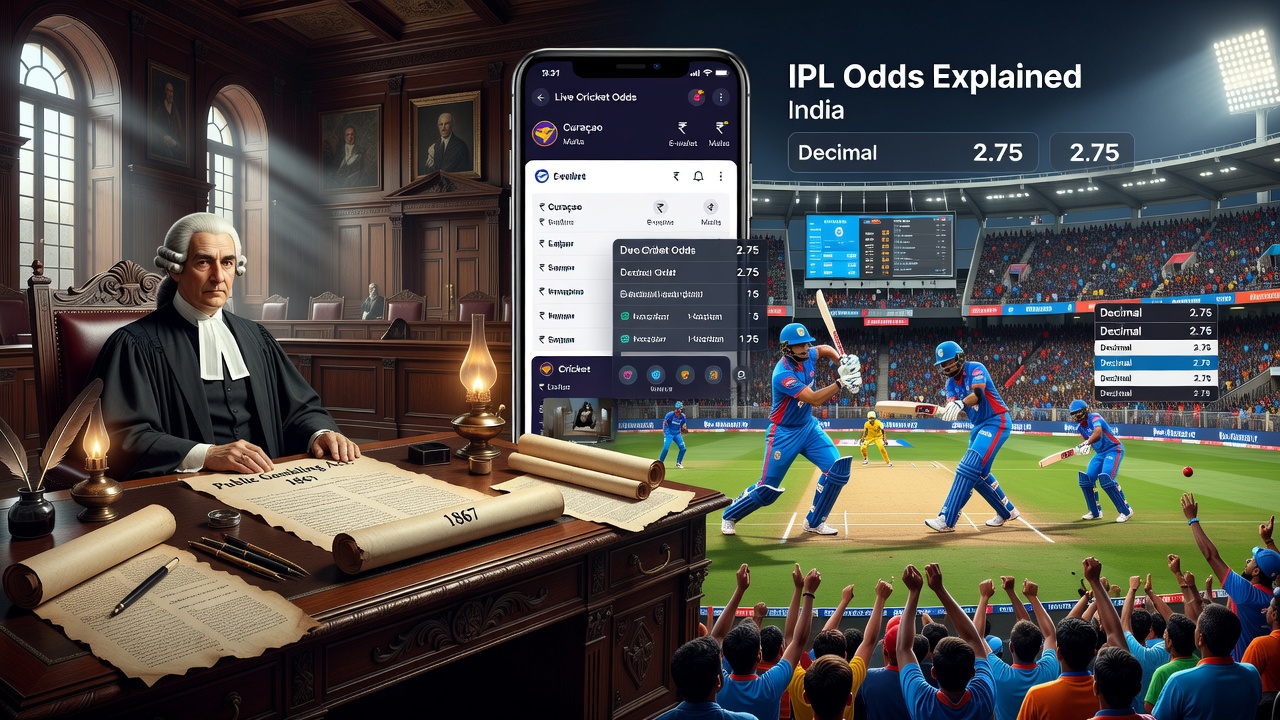
A colonial-era law written in 1867 still shapes how millions of Indians place bets today. The Public Gambling Act, passed under British rule, never anticipated smartphones, live streaming, or offshore betting platforms accessible from a village in Uttar Pradesh with a single tap. Yet that century-and-a-half-old statute remains the backbone of how courts and regulators approach wagering in the country.
The result is a patchwork system that confuses even seasoned bettors. Some states permit certain forms of gambling outright. Others ban everything except lotteries run by the government. Meanwhile, tens of millions of Indians place bets on cricket matches through apps registered outside the country, operating in a gray zone that neither explicitly permits nor effectively blocks their activity. For anyone trying to understand what's actually allowed, resources like all bet in india attempt to map out this fragmented landscape state by state, platform by platform. Understanding where the lines are drawn - and why they keep shifting - matters more now than ever, as digital payment systems and mobile internet have turned betting from an occasional habit into a daily ritual for a significant share of the population.
This piece breaks down the legal status of gambling in India, how online betting regulations vary by state, and what actually determines cricket betting odds - the numbers that drive the entire ecosystem.
Understanding the Legal Status of Gambling in India
Gambling law in India operates on a dual structure: a central framework that sets broad principles, and state-level legislation that fills in the details. Because gambling falls under the State List in the Indian Constitution, each state has authority to write its own rules. This is why a bet legal in Sikkim might be a criminal offense in Telangana.
The Public Gambling Act of 1867
This colonial statute criminalizes operating or visiting a "common gaming house." It predates telephones, let alone the internet, so its application to digital betting has always been a matter of judicial interpretation rather than explicit text. Courts have repeatedly had to decide whether a betting app or website counts as a "gaming house" - a question the original drafters never considered.
Games of Skill vs. Games of Chance
Indian courts have long distinguished between games of skill and games of chance. This distinction is not academic - it determines legality. Rummy and fantasy sports have been judicially classified as skill-based in several rulings, which exempts them from the harshest gambling restrictions. Betting on outcomes determined largely by chance, however, remains squarely within the gambling prohibition in most jurisdictions.
State-by-State Variation
Goa, Sikkim, and Daman permit licensed casinos and, in some cases, broader betting activities. Most other states prohibit gambling establishments entirely, though enforcement intensity varies widely. Telangana and Andhra Pradesh have taken particularly aggressive stances, passing laws that explicitly criminalize online betting and fantasy gaming for real money.
- Goa and Sikkim: licensed casino gambling permitted under state regulation
- Telangana and Andhra Pradesh: strict bans covering both physical and online betting
- Most other states: rely on the 1867 Act with limited modern updates
Online Betting Regulations in India
Digital betting has outpaced legislative response by a wide margin. There is no unified national law that directly addresses online sports betting, which leaves a considerable gap between what's technically prohibited and what's practically accessible.
The Information Technology Act and Its Limits
The IT Act of 2000, along with subsequent amendments, gives the government power to block websites deemed illegal, including certain betting platforms. In practice, enforcement has been inconsistent. Many offshore operators simply rotate domain names faster than authorities can issue blocking orders, keeping their services accessible to Indian users.
Offshore Platforms and Jurisdictional Gaps
A large share of online betting in India happens through platforms licensed in Curaçao, Malta, or the UK, operating entirely outside Indian jurisdiction. These sites accept Indian users, process payments in rupees, and offer customer support in regional languages - all while sitting beyond the direct reach of Indian courts. This jurisdictional distance is the single biggest reason online betting regulations in India have struggled to achieve real enforcement.
Payment Processing and Banking Restrictions
The Reserve Bank of India has periodically restricted banks and payment processors from facilitating transactions with known betting platforms. Users have adapted by turning to e-wallets, cryptocurrency, and intermediary payment gateways registered abroad. This cat-and-mouse dynamic between regulators and payment channels shows no sign of resolving soon.
Sports Betting in India: Cricket's Central Role
Cricket isn't just India's most popular sport - it's the backbone of the entire betting economy. No other sport generates comparable betting volume, and the Indian Premier League alone accounts for a disproportionate share of annual wagering activity.
Why Cricket Dominates the Betting Market
Cricket's structure lends itself naturally to betting: ball-by-ball outcomes, session totals, individual player performance, and match winners all create distinct markets. A single Test match can generate dozens of separate betting opportunities, from the number of runs in the first ten overs to which bowler takes the most wickets.
Domestic Bookmaking Networks
Alongside online platforms, India retains an extensive network of informal, in-person bookmakers, particularly active during IPL season. These operations exist entirely outside legal channels, relying on trust-based networks and cash transactions. Law enforcement crackdowns during high-profile tournaments are common, though the networks tend to reconstitute quickly afterward.
Fantasy Cricket as a Legal Alternative
Fantasy sports platforms occupy a distinct legal category, having been classified by courts as skill-based competitions rather than gambling. This classification has allowed fantasy cricket to operate openly and legally in most states, even those with strict betting prohibitions, creating a curious situation where users can legally pay entry fees for fantasy contests but not place a direct bet on match outcomes.
How Cricket Betting Odds Are Calculated
Cricket betting odds India-wide follow the same mathematical logic used in global sports betting, adapted to cricket's unique format and market structure.
Decimal, Fractional, and Moneyline Formats
Indian bettors typically encounter decimal odds, though fractional formats appear on some platforms catering to international audiences. Decimal odds of 2.50, for instance, mean a successful ₹100 bet returns ₹250 total, including the original stake. Understanding format conversion is essential before comparing odds across different platforms.
Factors That Shift Odds Before and During a Match
Odds move constantly, driven by team form, pitch conditions, toss results, injury news, and weather forecasts. A pitch known to favor spin bowling will shift odds toward teams with stronger spin attacks. Live betting introduces even faster odds movement, adjusting after every over based on run rate and wickets in hand.
Reading the Bookmaker's Margin
Every set of odds includes a built-in margin - the bookmaker's guaranteed edge, regardless of outcome. Sharper bettors compare odds across multiple platforms specifically to find where this margin is smallest, since even small differences compound significantly over many bets.
Indian Lottery and Betting Laws: Where They Overlap and Diverge
Lotteries occupy a unique legal position that often confuses people comparing them to sports betting. Understanding this distinction clarifies much of the broader regulatory logic.
State-Run Lotteries as a Legal Exception
Unlike sports betting, lotteries run directly by state governments are explicitly legal under the Lotteries (Regulation) Act of 1998. States including Kerala, Punjab, and West Bengal operate official lottery systems, generating substantial public revenue through ticket sales.
Why Lotteries Are Treated Differently Than Sports Betting
The core distinction lies in control and revenue capture. Government-run lotteries funnel proceeds directly into state budgets, funding public programs. Sports betting, by contrast, largely benefits private operators - many based overseas - offering the state no comparable fiscal upside, which partly explains the harsher legal treatment it receives.
Proposed Reforms and the Push for Regulation
Policy discussions around legalizing and taxing sports betting resurface periodically, often citing the lottery model as evidence that regulated gambling can generate substantial public revenue while reducing illegal market activity. No national framework has emerged yet, but several state governments have signaled openness to revisiting their positions.
Practical Guidance for Bettors in India
Given the legal complexity, bettors benefit from a cautious, informed approach rather than assuming uniform rules apply nationwide.
Checking Your State's Specific Laws
Before placing any bet, confirm the specific legal status in your state of residence. Laws change, enforcement priorities shift, and what was tolerated last year may face new restrictions this year.
Recognizing Legitimate vs. Risky Platforms
Licensing information, transparent terms, and verifiable payment processing are baseline indicators of platform legitimacy. Platforms that obscure licensing details or pressure rapid deposits deserve heightened scrutiny.
- Verify licensing jurisdiction and regulatory oversight
- Confirm secure, traceable payment methods
- Review withdrawal policies before depositing funds
Frequently Asked Questions
Is sports betting completely illegal throughout India?
No single national law bans all sports betting uniformly. Legality depends heavily on the state, with Goa and Sikkim permitting certain regulated forms while most other states prohibit it under older gambling statutes or specific new bans like those in Telangana.
Can I get in legal trouble for using an offshore betting site?
Indian authorities have historically focused enforcement on domestic bookmakers and operators rather than individual users of offshore platforms, though the legal risk isn't zero. The regulatory gray area means individual liability remains a genuinely unsettled question in most states.
Why is fantasy cricket legal when regular cricket betting isn't?
Courts have ruled that fantasy sports require sufficient skill in team selection and strategy to be classified separately from chance-based gambling. This judicial distinction, not a specific fantasy sports law, is what keeps platforms operating legally in most jurisdictions.
How do I know if cricket betting odds are fair?
Compare the same match odds across several platforms - significant discrepancies often reveal which operator is charging a heavier margin. Odds that seem unusually generous compared to the market average are also worth treating with suspicion rather than excitement.
Do winnings from betting or lotteries get taxed in India?
Yes, winnings from lotteries and gambling activities are subject to a flat tax rate under Indian income tax law, deducted at source in the case of official lotteries. This tax obligation applies regardless of whether the underlying betting activity itself was conducted legally.
Will India introduce a national law regulating sports betting?
There's ongoing policy discussion about a unified regulatory framework, partly inspired by the revenue success of state lotteries, but no comprehensive national legislation has been passed. Any such change would likely require significant negotiation between central and state governments given gambling's constitutional status as a state subject.